

Tag: security
-

IPv4 vs IPv6
If you’ve ever checked your network settings or looked at your hosting dashboard, you’ve probably seen two types of IP addresses. One is a simple set of four numbers, like 192.168.1.1. The other is a long string of letters and numbers that looks like it came from a science fiction movie. This difference is what…
-
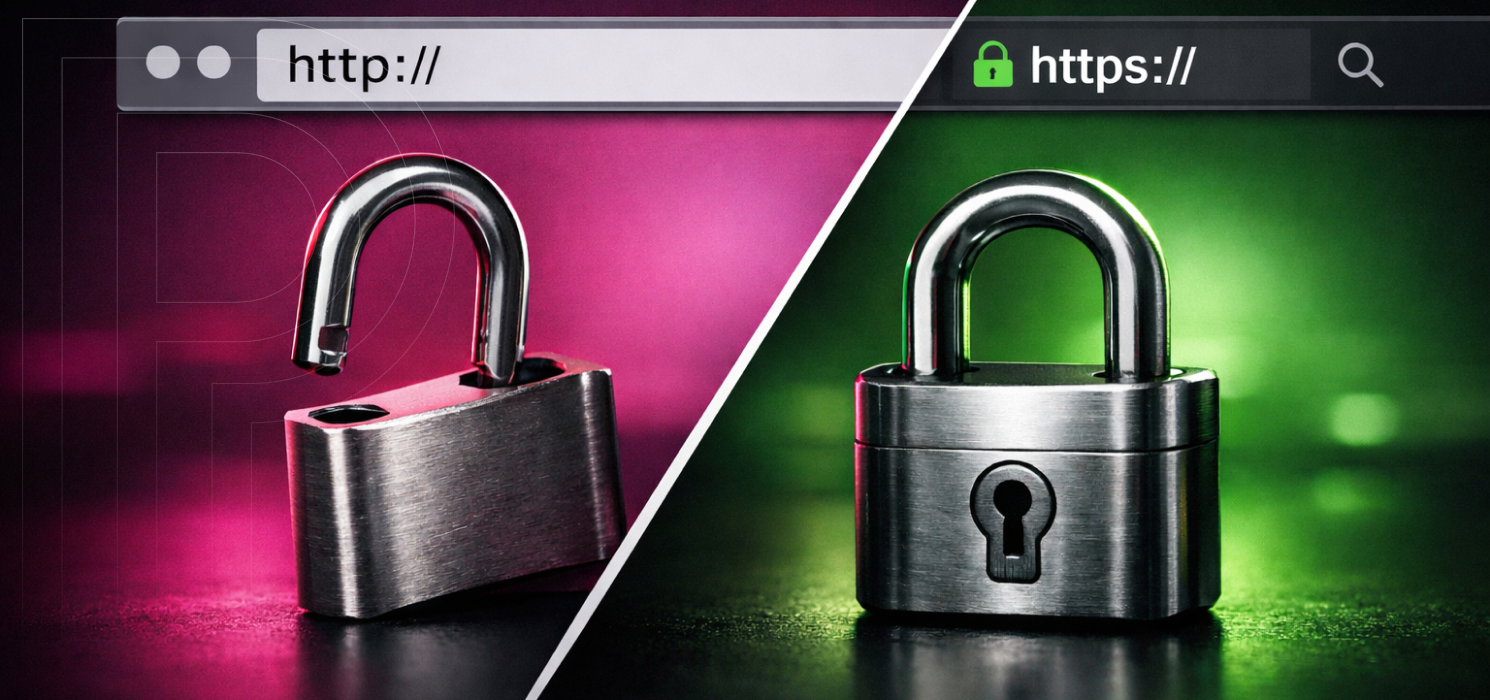
HTTP vs HTTPS: Understanding the Key Differences
Every time someone loads your website, whether it’s a homepage, a product page, or a WordPress login screen, there’s a conversation happening behind the scenes between their browser and your server. That conversation follows a protocol, and for most of the web’s history it was HTTP: the Hypertext Transfer Protocol. HTTP is essentially the set…
-

Navigating robots.txt for better site management
You pay for traffic, pour hours into content, and then wonder why Google misses half your site. Often the answer hides in a twenty-line text file at the root of your server: robots.txt. It’s nothing more than plain ASCII, yet it acts as the first handshake between your website and every crawler that shows up.…
-

What Does DDoS Mean? Key Facts Every Site Owner Should Know
Think of your website as a storefront on Main Street. A Distributed Denial of Service (DDoS) attack is the digital version of hundreds of buses unloading crowds that rush the door at once. The crowd isn’t there to buy anything; it is there to block legitimate customers from even reaching the handle. That is the…
-
SSL Certificates: A Practical Guide to Locking Down Website Security Without Wasting Budget
Introduction to SSL certificates What is an SSL certificate? An SSL certificate is a small data file that ties a cryptographic key to your domain name. When visitors load your site over HTTPS, the browser and server create an encrypted channel using that key. Anyone sniffing the traffic sees gibberish instead of customer data, login…
-

9 Common WordPress Security Issues and How to Resolve Them
WordPress powers millions of websites globally. It’s a preferred CMS for aspiring entrepreneurs and established businesses. Unfortunately, the popularity of the platform also makes it a tempting target for cybercriminals. Although there are many advantages to using the platform, website owners must exercise caution when it comes to security. The good news is that you…
-

Explore .htaccess SEO Capabilities for Your WordPress Site
Have you ever wondered how to give your WordPress site an extra edge in the search engine rankings? If so, let’s talk about a hidden gem that often flies under the radar: the .htaccess file. This small but mighty configuration file can transform how your site interacts with its server, boosting everything from security to…
-

Understanding WordPress User Roles and Permissions
Configuring a WordPress site requires careful consideration of both security and usability. One key measure you can take is leveraging the user roles and permissions features built into the WordPress CMS. These roles determine what each user can do, whether it’s publishing content, editing, or changing site settings, among other actions. As your team expands,…
-

Top 8 Mistakes You’re Making in WordPress
Choosing WordPress as a CMS brings about an unmatched sense of freedom and approachability, allowing users to build and manage websites with unparalleled flexibility. With the platform’s versatility and massive plugin ecosystem, it’s no wonder why WordPress attracts millions of users and accounts for 43.4% of all websites. But that doesn’t mean it’s all smooth…