

Tag: best practices
-

How to Optimize Content for Google News
The way people discover news has changed. Readers are no longer starting at a publisher’s homepage and clicking around at leisure; they’re finding stories inside Google Search, the News tab, Google Discover, the Google News app, and the Top Stories carousel. That shift has made Google News optimization less of a niche tactic and more…
-

How Managed WordPress Hosting Can Level Up Your Business
If your business relies on its website for lead generation, ecommerce, or brand authority, the foundation that site is built on matters. For businesses scaling on the world’s most popular CMS, the choice often comes down to standard hosting versus a managed solution. But what exactly is the difference, and is the upgrade worth the…
-
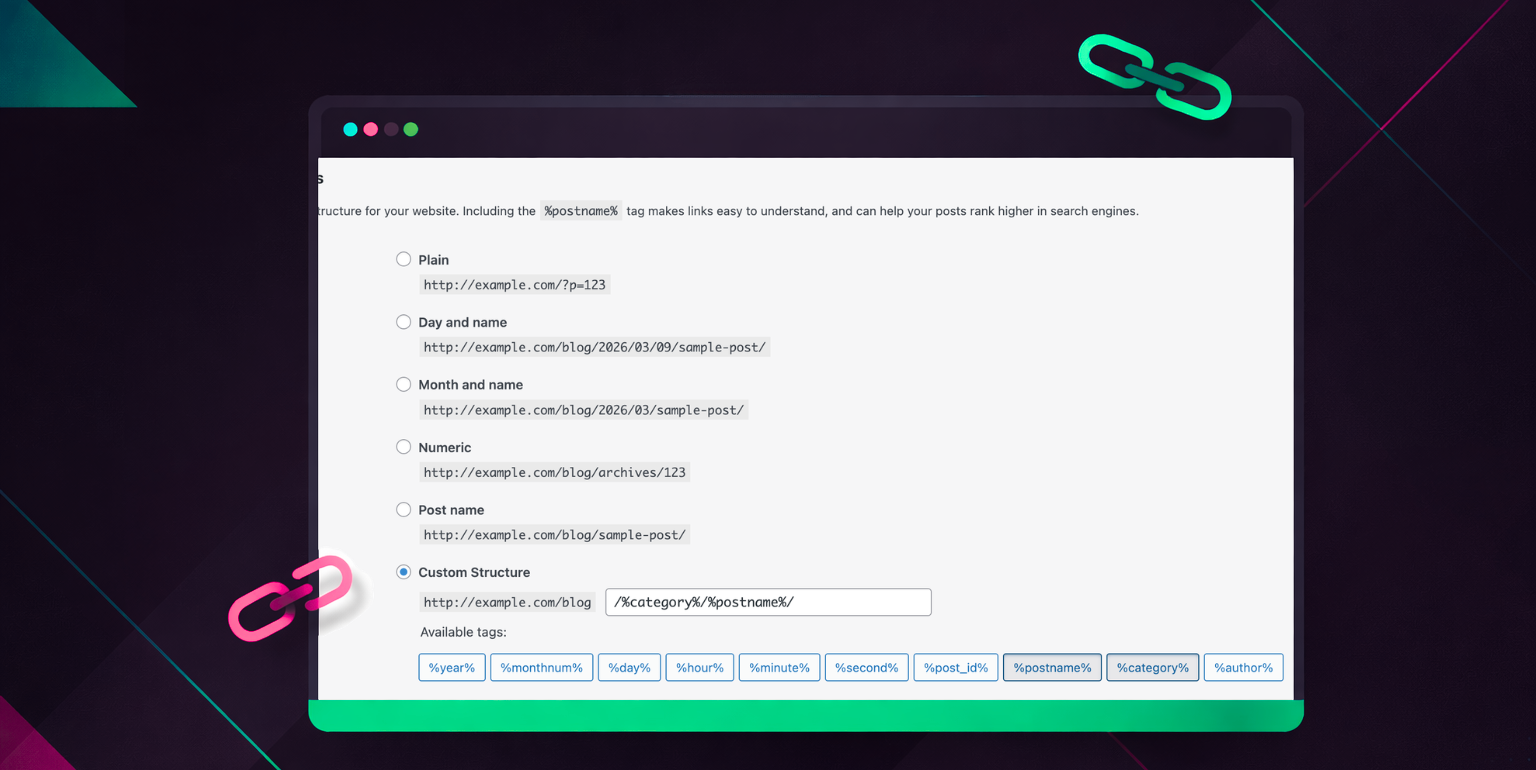
Choosing the Best Permalink Structure for Your WordPress Site
It’s easy to get caught up in picking the perfect theme, designing the cleanest homepage, or writing captivating product descriptions. But one of the most important foundational settings is often overlooked: the permalink structure. Permalinks dictate how the web addresses for your pages and posts will look to both human visitors and search engines. Getting…
-

What is WordPress Multisite?
WordPress Multisite is a feature that lets you run several websites from a single WordPress install. You get one set of core files, one wp-config.php, and one place to manage your themes and plugins. Each site keeps its own content, settings, and media library separate, but you manage everything from a central Network Admin area.…
-

How to Create a WordPress Child Theme
If you’ve ever made a tweak to your WordPress theme and felt a little nervous before hitting “Update,” you’re definitely not alone. Themes get updated, files get replaced, and the more you customize, the more you need a safe spot for your changes to live. That’s where a child theme comes in. In this guide,…
-

SSH Basics
If you’ve spent any time looking into web hosting, server management, or WordPress development, you’ve probably run into the acronym SSH. It pops up in hosting dashboards, developer guides, and just about every conversation about server security. But what is SSH, really? And why does it matter for you? Here’s the short version: SSH stands…
-

FTP vs. SFTP: A Quick Primer on Secure File Transfers
If you’re building WordPress sites long enough, you eventually bump into file transfer. FTP stands for File Transfer Protocol. SFTP stands for SSH File Transfer Protocol They both move files between computers, but they’re not two “modes” of the same thing; they’re entirely different protocols with different security models, connection behavior, and operational trade-offs. Choosing…
-

HTTP vs HTTPS: Understanding the Key Differences
Every time someone loads your website, whether it’s a homepage, a product page, or a WordPress login screen, there’s a conversation happening behind the scenes between their browser and your server. That conversation follows a protocol, and for most of the web’s history it was HTTP: the Hypertext Transfer Protocol. HTTP is essentially the set…
-
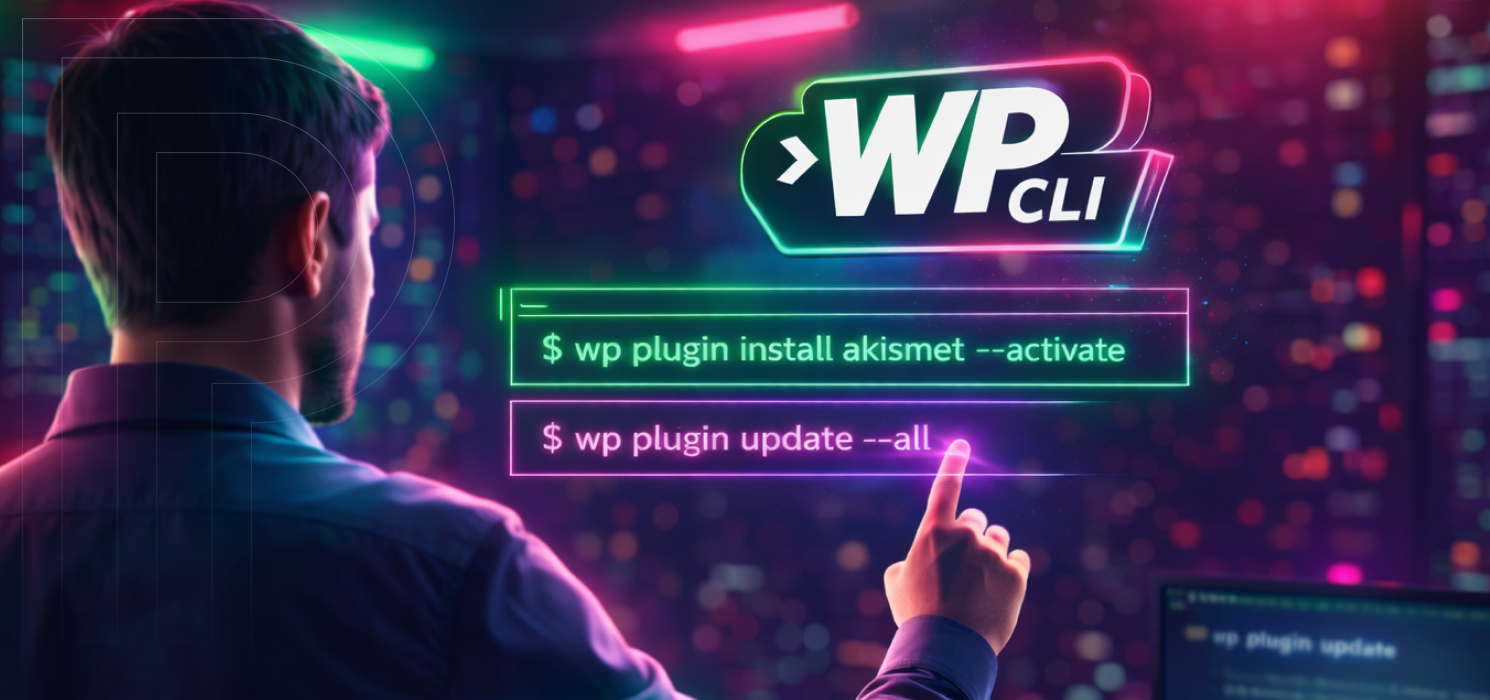
Managing WordPress with WP-CLI
WordPress admins and developers know a unique kind of frustration. You might know exactly what you need to do, from updating a plugin, flushing cache, fixing a bad URL, exporting content, or checking cron, but you still have to click through several screens, wait for the admin UI to load, and hope nothing times out…
-

DNS Basics for WordPress Developers and Admins
DNS (Domain Name System) is the internet’s distributed directory. It translates human-friendly domain names like example.com into the technical answers computers need to connect. Most often, this means an IP address, but DNS also handles things like email delivery and domain verification. For a more formal description, the original DNS “concepts and facilities” spec, RFC…